Historic Meeting Unites Cuba and the U.S.
Cancún Meeting Takes Collaboration on Ocean Research & Conservation to a New Level
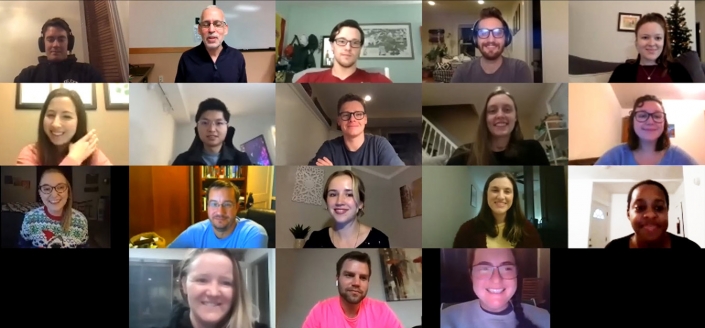
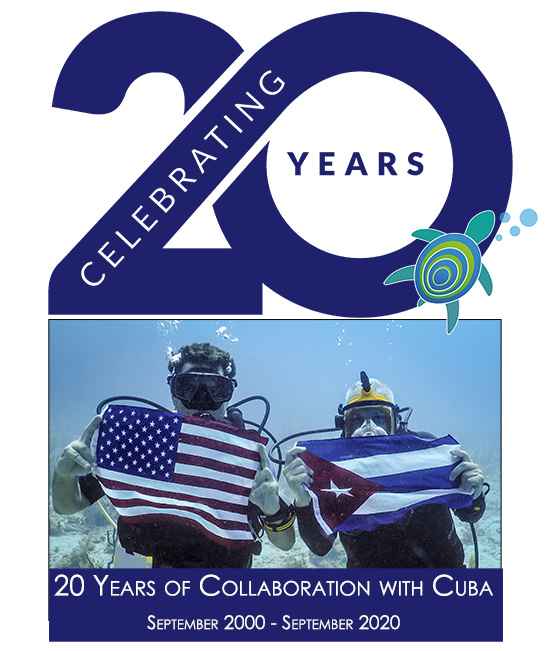
CANCÚN, México -- In a historic meeting co-organized and led by the Washington, DC-based Center for International Policy and the Harte Research Institute (HRI) for Gulf of Mexico Studies at Texas A&M University-Corpus Christi,a group of 15 Cubans and 15 Americans met in Cancún, Mexico to develop a plan for taking joint marine research and conservation activities between the U.S. and Cuba to a new level. Collaboration between U.S. and Cuban scientists has been exceedingly difficult because of the decades-old U.S. embargo, even though research is a permitted activity and U.S. scientists are allowed to travel to Cuba. Complicated logistics and ever-changing politics have prevented all but a few U.S. institutions from successful collaborative projects in Cuba.
 |
|
1planet1ocean president Dr. David E. Guggenheim, HRI Advisory Council member and manager of its Cuba Program, organized and led the November 1-2 meeting along with Dr. Wayne Smith of the Center for International Policy. The conference was conceived of in recognition of the critical need for more scientific research in the Gulf of Mexico and Western Caribbean, and the key role that Cuban waters play in the ecosystem. The Cancún meeting brought together major institutions from both countries to establish research priorities and to chart a way forward toward stronger and more comprehensive collaborative activities.
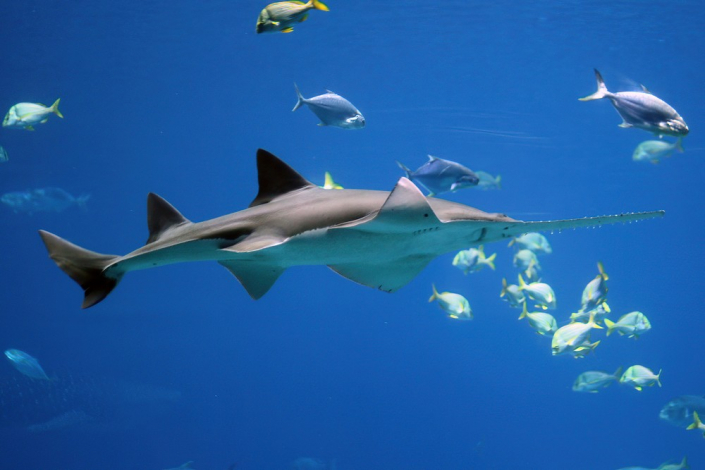
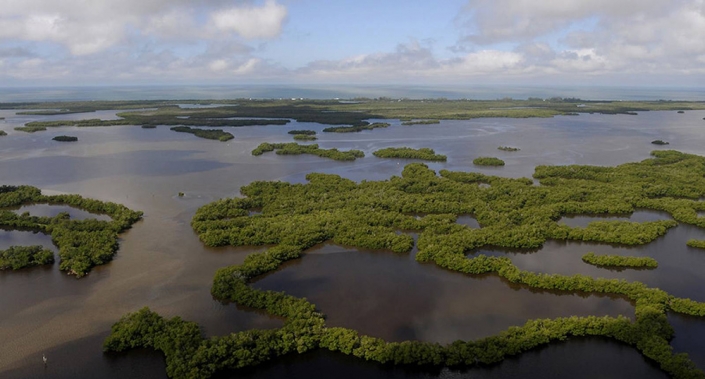
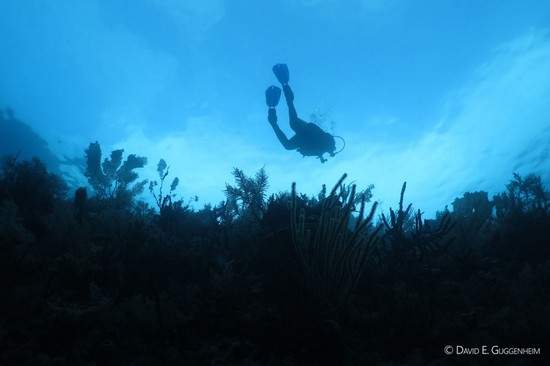
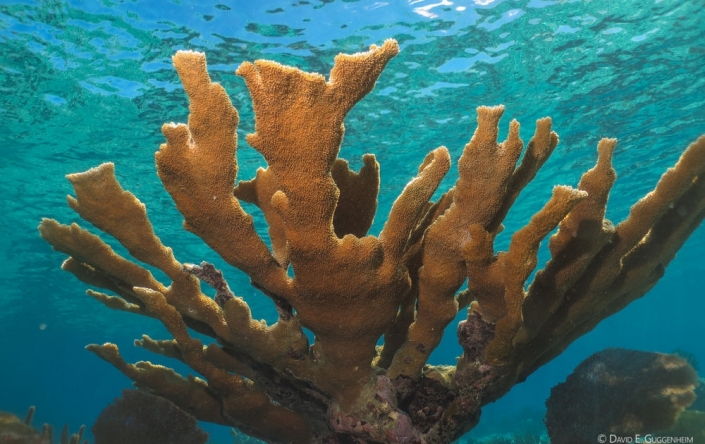
At the end of the two-day meeting, a framework plan of action was established with the following priorities: Research and conservation of coral reefs, sharks, sea turtles and dolphins, improved management and conservation of fish resources, and strengthening of marine protected areas. The proceedings of the meeting are currently being drafted. Working groups -- each headed by one Cuban and one American -- are leading continuing dialogue on each of the priority areas. A follow-up meeting is scheduled in 6-12 months and will include the participation of México. Over the past few years, HRI and its partner, University of Havana’s Centro de Investigaciones Marinas (Center for Marine Research), have conducted a number of research expeditions and related research efforts along Cuba’s Gulf of Mexico, the 320 km expanse along its northwest coast, in a project called Proyecto Costa Noroccidental (Project of the Northwest Coast).
More on this topic:
|
Studying Cuba's Gulf of Mexico
The Harte Research Institute for Gulf of Mexico Studies (HRI) at Texas A&M University-Corpus Christi and the University of Havana's Center for Marine Research (CIM) [Centro de Investigaciones Marinas] are leading a collaborative effort, Proyecto Costa Noroccidental [Project of the Northwest Coast], a comprehensive multi-year research and conservation program for Cuba’s Gulf of Mexico coast. Dr. David E. Guggenheim, president of 1planet1ocean, is a member of HRI's Advisory Council and also serves as HRI's Cuba Programs Manager and is co-principal investigator of the project with Dr. Gaspar González Sansón of CIM.

Proyecto Costa Noroccidental is the first comprehensive study of Cuba's Gulf of Mexico region |
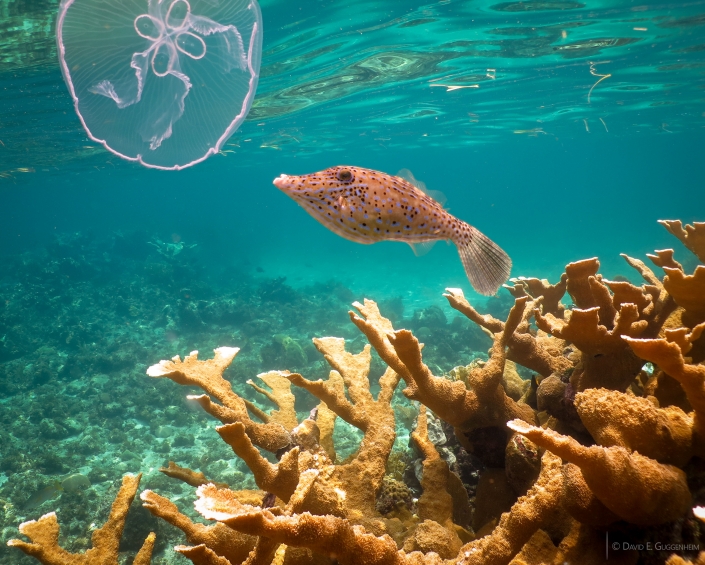
Proyecto Costa Noroccidental is assessing northwestern Cuba's marine habitats, identifying and describing the principal human uses and threats, providing recommendations for the conservation of the region’s ecosystems, and establishing a framework for long-term cooperative research and monitoring. The project is designed to provide fundamental data on this understudied region of Cuba while also providing new insights regarding biological connectivity and conservation in the Gulf of Mexico and Caribbean. The project is expected to help secure science-based conservation policies in advance of the inevitable wave of development in the region.

Proyecto Costa Noroccidental research team aboard Cuban research vessel Boca del Toro, second expedition |
Cuba’s northwest coast has not been comprehensively studied, and the results of this project are providing an important advance to the natural sciences in Cuba and conservation of costal ecosystems in the Gulf of Mexico. This research is gaining attention and participation from numerous Cuban institutions and is providing the basis for the research theses and dissertations for 16 students at the project’s lead Cuban institution, the University of Havana’s Centro de Investigaciones Marinas (CIM) [Center for Marine Research], the only Cuban institution where marine scientists are trained. Our understanding of the Gulf increasingly points toward a vast web of linkages throughout the ecosystem, linkages that span international borders. Collaborative scientific research is a permitted activity under the long-standing United States’ economic embargo of Cuba.
Up until now, Cuba’s northwest coast has not experienced the levels of coastal development seen elsewhere on the island, but as the country is now among the world’s fastest growing tourist destinations, there are growing pressures of tourism in the region, accompanied by accelerating impacts from fishing, agriculture, and now, offshore petroleum development.

CIM researcher prepares samples for reference collection during second expedition |
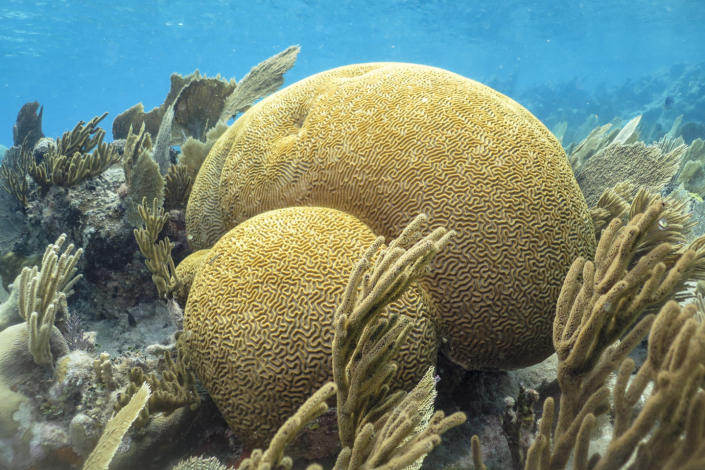
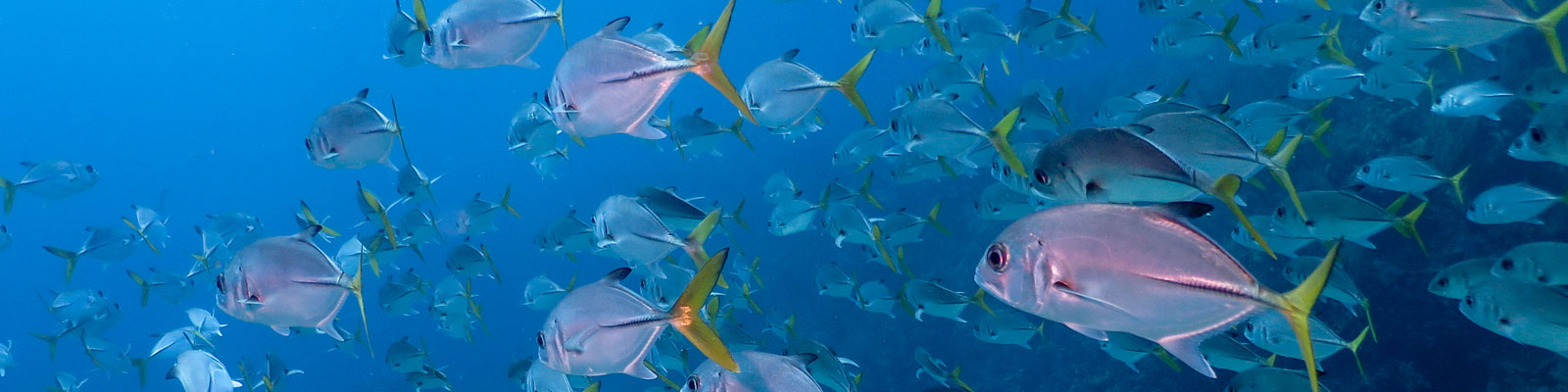
The project is collecting data on corals and invertebrates, fish populations, and water quality. Ecotoxicological analysis is also being conducted to assess land-based pollution impacts. In 2007, a shark research component will be incorporated, including a planned October 2007 shark tagging expedition. Northwest Cuba has seen a ten-fold reduction in shark landings since the 1960s.

CIM researcher measures green sea turtle nesting at Guanahacabibes, Cuba |
The project also includes a comprehensive sea turtle research and conservation component focused at Cuba’s westernmost point, Guanahacabibes. Through strong community involvement and education, it has dramatically reduced turtle poaching.

Students from the school “Hermanos Saíz” in the Guanahacabibes region who participate in the community outreach components of the sea turtle monitoring and conservation project.
|
In 2007, in collaboration with several Mexican institutions, the project will include a genetic analysis of Cuban sea turtle populations in order to gain new insight into population dynamics. Also planned for 2007 is a broadening dialogue with Cuban policymakers to make use of the data obtained from this project.
At the December 2006 MARCuba conference in Havana (Cuba’s triennial marine research conference) a total of 22 presented papers and posters were based on the research outcomes of this project. Publication efforts will continue and intensify over the coming year.
You Can Help!

The Harte Research Institute (HRI) for Gulf of Mexico Studies is a newly endowed and developing institute at Texas A&M University-Corpus Christ whose mission is to support and advance the long-term sustainable use and conservation of the Gulf of Mexico. HRI encourages a tri-national (U.S., Cuba and Mexico) approach to understanding the Gulf of Mexico ecosystem, and is one of only a handful of U.S. institutions licensed to conduct marine research activities in Cuba.
You can help support HRI's important work in Cuba and the Gulf of Mexico through your financial support of HRI's Cuba Programs. Contact HRI at +1 (361) 825-2000 or the Development Office of Texas A&M University-Corpus Christi at +1 (361) 825-2420.
|